The places you plan today will serve generations to come
That starts with seeing how people actually live there.
EIKOS shows planners how residents are likely to spend an ordinary day, alongside population, housing, and access analysis. You can use it to build the evidence for the policies, funding applications, and recommendations that decide how communities grow.
More demands, less time to meet them
A grant deadline, a housing study, a question from the board. Each one asks for more accurate evidence, sooner, and bringing it together takes time.
Planners across the US have described these pressures to us, and their experiences have shaped EIKOS.
“I need all of that information on one map and I can never get it on one map.”
Tara Paxton FAICP
Land use and resiliency planner
“It’s not a cost issue. It’s just a time issue.”
Wendy Moeller FAICP
Planning consultant
“Usually your boards will ask you those questions on what if you did X instead of Y.”
Todd Ashby FAICP
Planning consultant
With thanks to Panini Chowdhury AICP, John Guszkowski FAICP, Chris Kluchman FAICP, Luis Nieves Ruiz FAICP, and the other planners across the US who have helped shape EIKOS.
Spend more time weighing scenarios and less time gathering information
Because EIKOS brings the analysis and the simulation together in one place, the evidence is ready when you need it. That leaves you time to compare options and decide what they mean for the community.
Built from public population and travel data, the simulation estimates where an area’s residents are likely to be through an ordinary day. It gives teams a starting point for investigating local needs, developing recommendations, and discussing priorities with the communities their work affects.
Examine an area through its population and daily activity
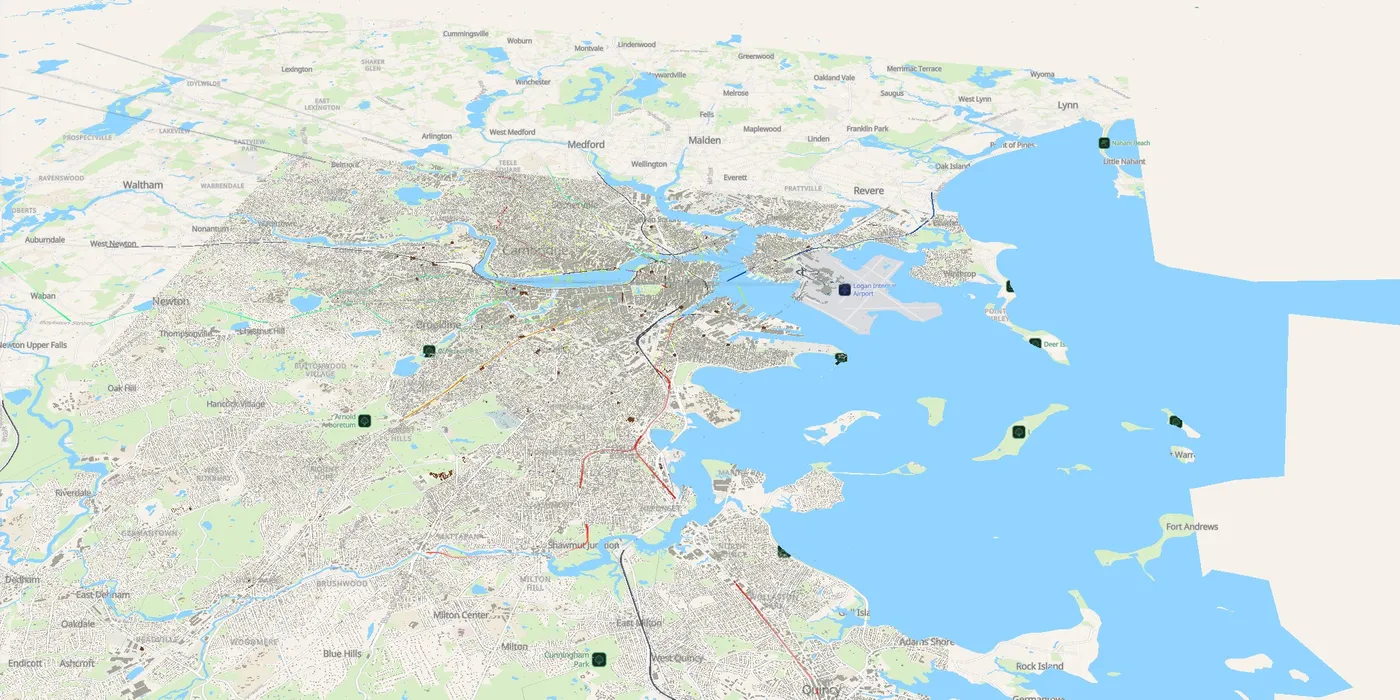
Explore how people use the area through a day
Move around the map to view transportation, development, and modeled activity hour by hour, so you can see where people are likely to be at different times.
Know who you’re planning for
Look at population, household composition, housing, employment, and proximity to services, so you can describe local need in numbers.
Compare today with the future
Set current conditions against available future scenarios, so you can find the questions that need a closer look.
Check the sources
Review the sources, assumptions, and limitations, so you can stand behind a finding before it goes into your work.
Explore how people use the area through a day
Move around the map to view transportation, development, and modeled activity hour by hour, so you can see where people are likely to be at different times.
Know who you’re planning for
Look at population, household composition, housing, employment, and proximity to services, so you can describe local need in numbers.
Compare today with the future
Set current conditions against available future scenarios, so you can find the questions that need a closer look.
Check the sources
Review the sources, assumptions, and limitations, so you can stand behind a finding before it goes into your work.
A recommendation is stronger when its reasoning is clear
EIKOS does the analysis. The judgment stays with you.
The planning report presents source references and methods next to the analysis, including stated gaps and limitations.
Your team brings the professional judgment, local knowledge, and consultation needed to turn analysis into a recommendation.
See how Boston lives on an ordinary day
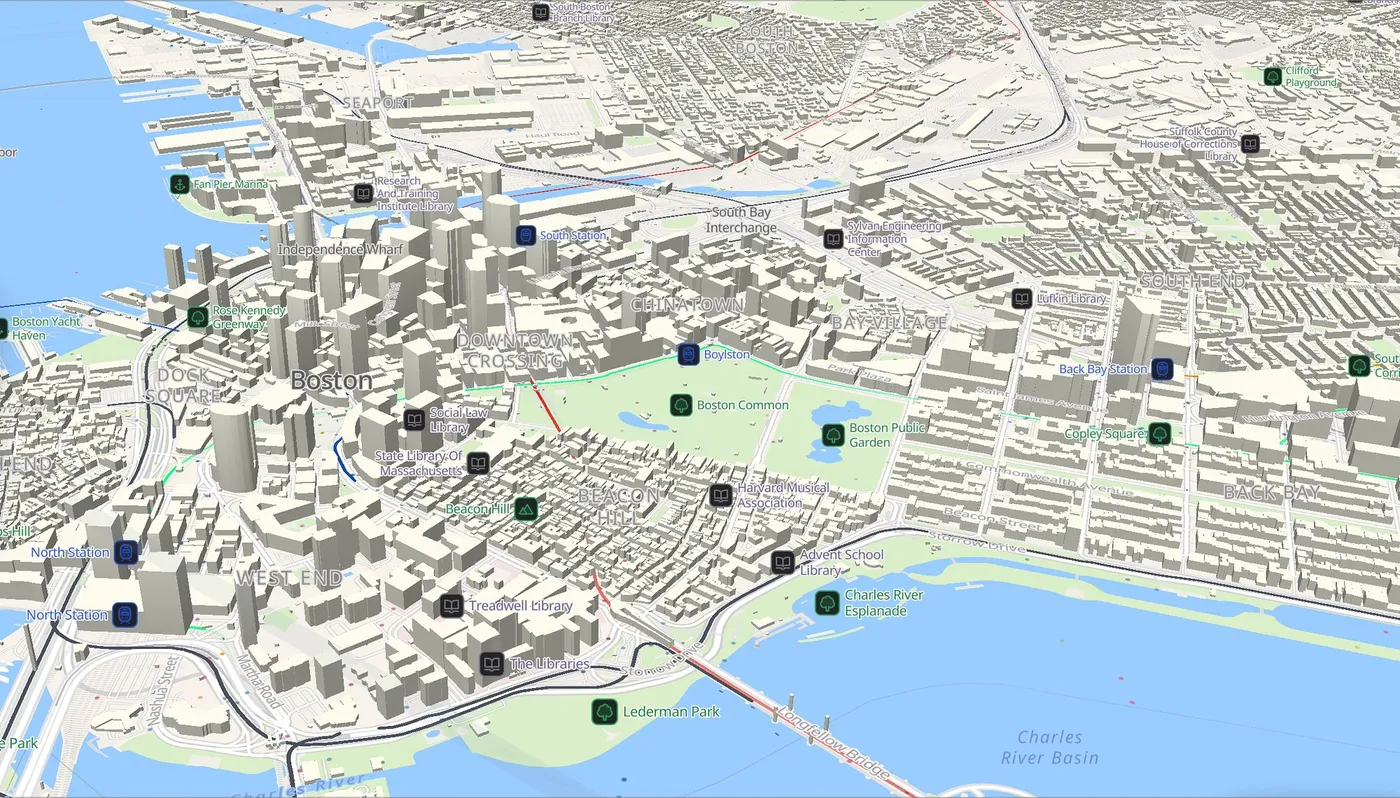
The Boston example pairs a city simulation with ten planning analyses covering population, housing, employment, environmental constraints, and access to services.
Review household composition next to housing stock, examine proximity to transit and schools, and follow the sources and methods behind the findings.
Book a demo and we’ll take you through it.
From grant application to board meeting
Make a stronger case for funding
Use population, housing, employment, and access analysis to describe local needs and support the case for a feasibility study or planning project. Assess the findings against the requirements of the funding program.
Prepare plans and studies
Examine household composition, incomes, and existing services when developing an evidence base. Identify how areas differ and which questions need more detailed local research.
Consider development in context
View the development pipeline alongside transportation and modeled daily activity. Investigate the surrounding conditions that matter when weighing a proposal or scoping a study.
Explain your reasoning with confidence
Use maps and analysis to explain the basis for a proposal to colleagues, clients, and decision-makers. Make the assumptions explicit and identify where community input or further investigation is needed.
Planning is a commitment to the people who will live with its decisions
The effects of a housing policy, a transportation investment, or a development last for decades. They influence where people can live, which opportunities they can reach, and how their communities change.
The purpose of EIKOS is to help you understand the lives your decisions will shape, and bring that understanding into planning for the future.
See how EIKOS would work for your area.